
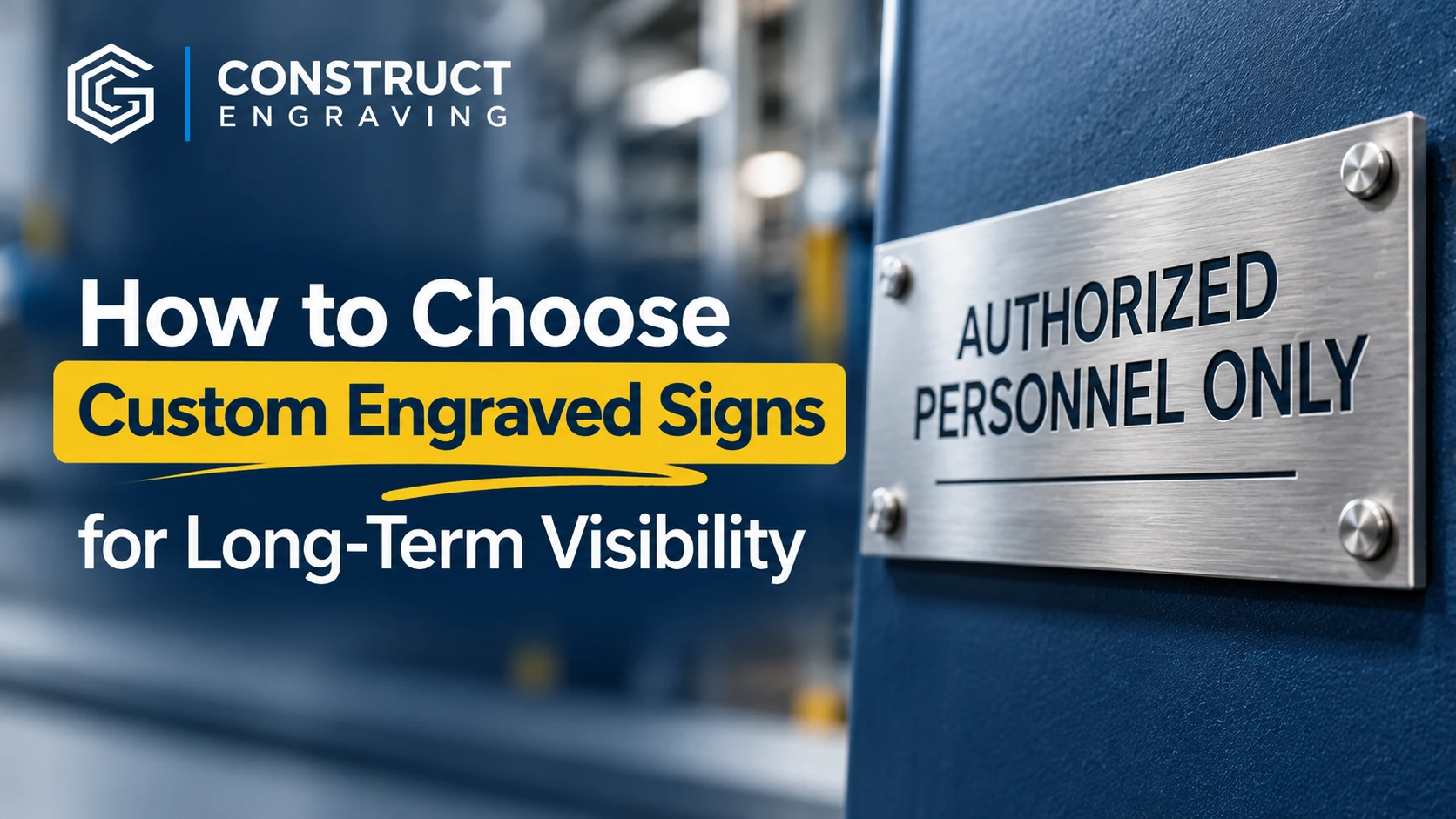
How to Choose Custom Engraved Signs for Long-Term Visibility
How to Choose Custom Engraved Signs for Long-Term Visibility
A sign is one of those things you only notice when it goes wrong. The lettering fades, the edges lift, or a few years of coastal air turn a sharp plate into something nobody wants to read. If you’re investing in custom engraved signs, the goal is simple: they should look as clear in five years as they did on day one.
That comes down to a few decisions made before anything is cut. Whether you’re ordering for a business or a home, and whether you’re talking to engravers Perth WA businesses trust or comparing suppliers online, here’s how to make them well.
Why Engraved Signs Outlast Printed Ones
Printed signs sit on top of a surface. Ink, vinyl and paint can fade in UV light, scratch off or peel at the edges. Engraving works differently. The design is cut or etched into the material itself, so there’s no top layer to wear away.
That’s why custom engraved signs are the usual choice anywhere signs get touched, cleaned or left in harsh weather, such as building entrances, workshops, equipment, offices and memorial plaques.
Start With the Right Material
Material matters more than any other choice you’ll make.
Stainless steel. This is the best option for outdoor and high-traffic use. Stainless steel engraved signs resist rust, cope with heat and cleaning products, and keep a professional finish for years. If the sign will be near the coast, ask about grade 316, which handles salt air better than 304.
Brass and aluminium. Brass has a classic look and ages gracefully. Anodised aluminium is lighter and cost-effective for indoor or sheltered outdoor spots.
Acrylic and laminate. These suit interior wayfinding and office doors. They’re affordable and come in plenty of colours, but they aren’t the best pick for long-term outdoor exposure.
If durability is your top priority, engraved steel is hard to beat.
Why Metal Name Plates Are Worth Considering
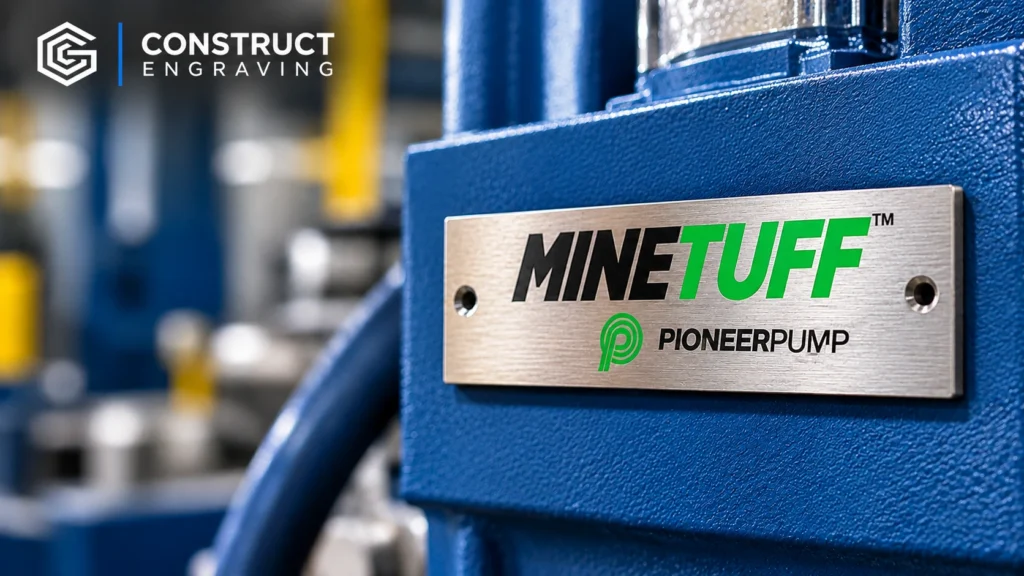
Metal name plates show up everywhere, from office doors and machinery to letterboxes and commemorative plaques. They’re slim, tough and easy to mount. Because the text is cut into the metal, it stays readable even when the surface gets dirty or scratched. For asset tags, safety labels and equipment identification, that permanence is often a requirement rather than a bonus.
Think About Visibility Before Style
A durable sign nobody can read isn’t doing its job. Three things make the biggest difference:
- Contrast. Dark lettering on a light surface (or the reverse) reads far better than tone-on-tone. Engraved letters can be colour-filled to boost contrast.
- Letter size. A rough rule is about 25 mm of letter height for every 10 metres of viewing distance. Signs read from a moving car need to be bigger.
- Finish. Glossy surfaces can cause glare in direct sun. A brushed or matte finish usually reads better outdoors.
Font choice counts too. Clean sans-serif fonts are easier to read from a distance than decorative scripts.
Match the Engraving Method to the Job
Two methods are common. Laser engraving gives fine detail and sharp edges, which is ideal for logos and small text. Rotary engraving cuts deeper, which suits thick plates and signs that need a pronounced finish you can feel with your fingers. A good engraver will recommend one based on your material and where the sign will live.
Consider Where the Sign Will Live
Perth gets strong UV, hot summers and, near the coast, salty air. Each wears on materials in a different way. An indoor office plate has very different needs from a sign at a boat ramp or on an industrial site.
Tell your supplier the location, how much sun the sign gets and whether it will be cleaned with harsh chemicals. That information shapes the right material, finish and fixing method.
Don’t Overlook Fixing and Maintenance
Even the best sign fails if it’s mounted poorly. Screws, adhesive and standoffs should suit both the surface and the weather. Use stainless fixings with stainless signs to avoid corrosion marks.
Maintenance is usually minimal. A wipe with mild soapy water is enough for most metal signs. Avoid abrasive pads, which can dull the finish.
Choosing Engravers Perth WA Can Rely On
Local engravers Perth WA customers recommend have a real advantage: they understand the conditions your sign will face, can show you material samples in person, and are easier to deal with if you need changes or a repeat order. When you request quotes, ask about:
- Material type, grade and thickness
- Engraving method and depth
- Colour fill and finish options
- Fixing methods
- Turnaround time
Always ask to see a proof before production. It’s the cheapest way to catch a spelling mistake.
Final Thoughts
Choosing custom engraved signs comes down to matching material, finish and engraving method to the conditions the sign will face. Prioritise contrast and readable lettering, pick a metal that suits the environment, and work with engravers Perth WA clients can trust to ask the right questions about where the sign will go. Get those right and your signage will keep doing its job for years.
If you’re ready to start, contact the team at Construct for advice on materials and a quote.
FAQs
How long do custom engraved signs last?
It depends on the material. Stainless steel engraved signs can last for decades outdoors, while acrylic signs typically last several years indoors.
What is the best material for outdoor signs?
Stainless steel is the most reliable choice, and grade 316 is best near the coast.
Are engraved signs better than printed signs?
For long-term durability, yes. The design is part of the material, so it can’t peel, rub off or fade the way surface printing can.
What should I ask engravers Perth WA businesses offer before ordering?
Ask which material and grade they recommend for your location, whether you’ll get a proof, and how the sign should be fixed and cleaned.